
Shaana Rahman recently had an article published in The Verdict (Summer 2025 edition) of the Alameda-Contra Costa Trial Lawyers’ Association.
The topic? avoiding common mistakes when handling California Tort Claims Act cases.
Cases against public entities follow a distinct set of rules. Although there is nothing mystical about pursuing cases against a public entity, if you don’t regularly handle these types of cases you need to understand the potential traps for the unwary or, at least, know when to reach out to someone for help. I frequently get calls from lawyers handling their first public entity case who are caught off guard by the ubiquitous claim denial or realization that their claim was filed after the deadline, either due to a misunderstanding of the claims filing deadline or not identifying a potential public entity claim until it’s too late. Early errors in public entity cases can be fatal to a plaintiff’s case or seriously impede a favorable result. Luckily, almost all of these errors can be avoided by careful planning, a complete understanding of the Tort Claims Act and having resources available if you get stuck.
Here are a couple of highlights:
Spotting a Potential Claim
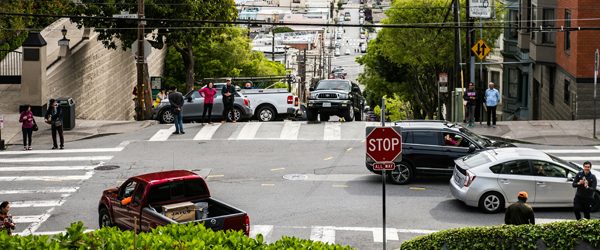
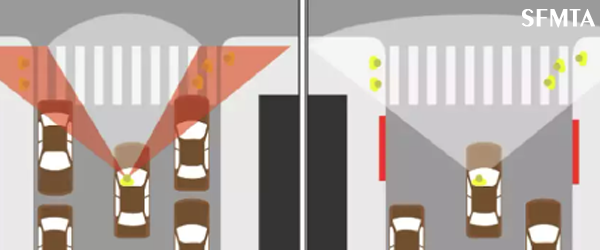
It can be easy to miss a potential public entity claim without taking a step back. For instance, perhaps you take a case where your client’s vehicle is struck in an intersection controlled by stop signs. The police report confirms the other driver ran the stop sign. At first blush, this seems like a standard personal injury case. However, a year later in deposition the defendant driver testifies he didn’t see the stop sign because an overgrown tree was completely obscuring the stop sign. The driver’s lawyer then shares photos taken of the
stop sign, a list of prior stop sign violation collisions, and several complaints to the city about the obscured stop sign. Your first thought is — did I miss this? Unfortunately, the answer is yes. The flip side of this scenario is getting a call from a potential client with horrific injuries who insists the collision was the city’s fault. You sign it up, sight unseen, and the case sits until it’s time to file the 910 claim. By
the time you get the denial and need to start drafting the complaint, you realize you don’t have any actual theory of recovery or actual evidence. Early investigation is key to both not missing a potential government claim and ensuring you have the evidence you need
to successfully litigate the case. It is good practice to screen your personal injury cases for a potential public entity claim. This may involve an early inspection, interviewing witnesses and investigation into prior incidents. One of the best ways to get evidence of a public entity’s liability is by requesting documents through the California Public Records Act. (Government Code §7920.530 et seq.) Most entities have convenient, free online portals to make these requests. Another free tool is the entity’s own website which
can provide information on various construction projects, council meetings, and policies and procedures. You can also identify a potential public entity defendant by reviewing the registry of public agencies available on the Secretary of State’s
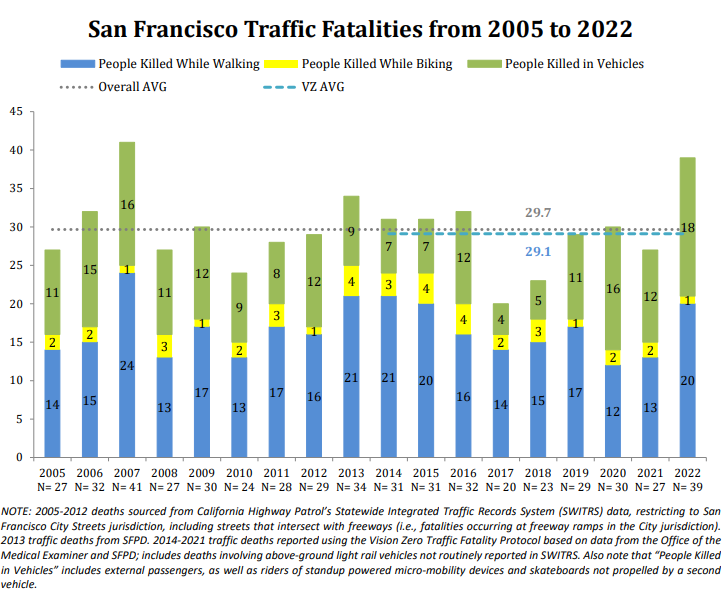
website or the county clerk’s website. (See, Government Code §53051 et seq.) If you are evaluating a collision case, the California Highway Patrol collects data on collisions. The CHP database is called the Statewide Integrated Traffic System (SWITRS). You can request the CHP provide you with a list of collisions at a particular location, specifying the time period. The SWITRS report will show
basic information, including the potential cause of the collision. You can use this information to uncover a history of similar collisions at an intersection. If this history corresponds with complaints to the entity about the particular danger, that may be indicative of a potential failure on the part of the entity. If you uncover physical evidence during your investigation, such as the existence of surveillance footage, you will want to send a letter requesting that the evidence be preserved. Once you have some evidence tying the entity to liability, you can evaluate the viability of the claim against the defenses and immunities provided in the Government Code. The next
step is complying with the claim filing procedures.
Mistakes to Avoid in Pleading
Taking the time to draft a thorough claim will aid in avoiding pleading errors that can open the door for a demurrer. The facts and basis for each cause of action in the complaint must reflect those set out in the claim. If the complaint goes far afield of the contents of the claim, that could give rise to a demurrer. Another way to avoid demurrer is to plead with specificity as to the specific statute applicable to a public entity. Here again, similar to the claim, it benefits you to reveal as many facts as possible and theories you have to meet the threshold for statutory liability of the public entity. Additionally, the complaint should provide facts to establish that the cause of action
is outside of any statutory immunity that is available to the public entity.